
Est. Reading Time: 4 minutes
Written by Jake Miller, Licensed Sr Home Inspector
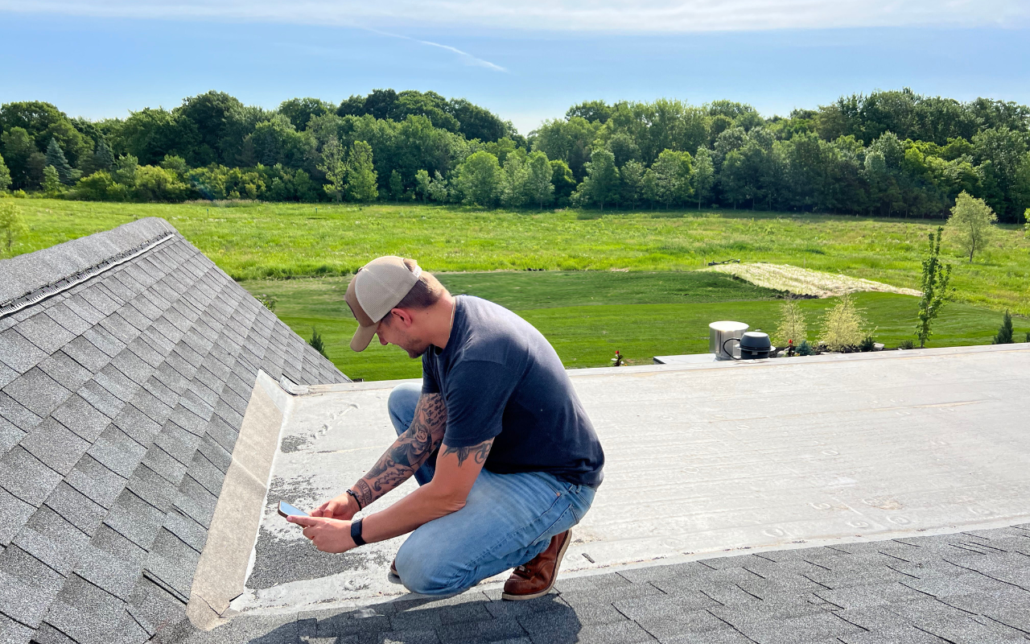
Even though that darn gopher saw his shadow and for some reason decided that we will have 6 more weeks of winter, it is never too early to start thinking about those spring projects! Winter can be brutal up here in the great north. Heavy snow, ice, wind and freezing rain take a toll on the exterior of our homes. As Home Inspectors, we often see the same issues come each Spring, but a lot of them can be prevented even before the last snowflake melts. So as we move into our post-winter thaw, here are a few things that would be good to look at and take care of heading into warmer weather.
Roof
Our roofs are often overlooked during the winter as they are generally covered in snow for most of the season, but as the snow melts take a look at your roof covering. Here are some things to look out for:
- Missing, loose, lifted, or damaged shingles
- Damaged or loose flashing (generally made out of metal or rubber) around your chimney, venting, and transition areas
- Granule loss, which can look like bare spots on the shingles
- Damage from ice dams
- Stains in the inside of your home on the ceiling or walls
Ice dam damage can be hidden within your attic. If you have kids are like mine, they love the big icicles that can hang off the roof – but what you might not know is that those large icicles can be an indicator of a potential issue. It might not hurt to peek into your attic and see if there are any dark stains near the roof edge indicating water damage. If you see staining or damaged area you can get ahead of the rush by reaching out to a reputable roofing professional for evaluation.
Gutters and Downspouts
Gutters are super helpful to divert water away from your home’s foundation, but if they are clogged or damaged, they may not be able to do the job they’re there to do! Here are a few things to look for:
- Clogged gutter (leaves, tree debris, toys, animals, etc.)
- Loose sections (this can lead to leaking)
- Make sure downspouts are directed between 4-6’ (feet) away from your home
As the snow and ice melts, it’s important to make sure your gutter system is working properly. This is a common reason why people have water seepage into their homes.
Foundation and Grading
As the snow melts around your home, it is a good chance to see how and where all that water is going. Here’s a list of things to keep your eye on as the snow melts:
- New or expanding cracks within your foundation
- Flaking or spalling (breaking up) concrete
- Water staining both inside and out
- Areas where the ground is sloping towards the home or is flat around the home
- Make sure sump pump functions properly
If snow melt has nowhere to go or it is running towards your home, this will likely cause moisture intrusion and damage to your home.
Siding, Windows, Trim, and Decks
As mentioned before, winter is very harsh on our homes and it doesn’t feel too inviting to go inspect the exterior of their home during the winter months. As the temps warm up, head out there to do your own once-over. Here are some things to look for:
- Damaged or missing paint
- Damaged or cracked siding
- Damaged window sealant
- Soft or rotted deck boards
- Loose railings
- Rusted fasteners
Many people don’t shovel their decks during the winter and as the snow melts, and this is prime time for damage to happen. Noting those areas where damage was found is important so that come summer time, you are able to maximize that deck time.
HVAC Check Up
Hopefully at this point in the year you have had your furnace tuned up, but with spring comes summers in Minnesota. Hot days are coming. Here are a few things you can do to prepare your HVAC system for those hot weather days.
- Change your furnace filter
- Clear debris around exterior AC unit
- Make sure any plants are trimmed back at least 2’ (feet) from exterior AC unit
- Schedule AC tune up
Just like your car, regular maintenance goes a long way to keeping your HVAC system running its best.
Test Safety System
As spring hits it’s also important to make sure that all the little safety systems within your home are working properly. Here are some things to look at.
- Test your smoke and carbon monoxide detectors (replace batteries as needed)
- Test GCFI (Ground Fault Circuit Interrupter) outlets
- Clean dryer vent system
- Make sure sump pump is working properly
These areas often get overlooked because they don’t really affect you until they aren’t working properly. Checking them regularly will help ensure they are there when you need them most.
When to Call a Professional
Not everything needs to be done by a professional, but there are a few areas that having a professional come would be recommended:
- HVAC tune-ups
- Persistent moisture in the basement
- New or widening cracks in the foundation
- Roofing concerns
- Electrical concerns
- Plumbing concerns
If you are ever not sure of what to do or you feel that an issue is too large for you to handle, it is never a bad idea to call a professional for help. We have a large list of recommended contractors that would love to help if you need it. Check that out here.
Final Thoughts
Winter in Minnesota is hard on our homes. The good news? A few hours of careful inspection each spring can prevent the potential of thousands of dollars in future repairs. Being proactive protects your home, improves energy efficiency, and gives your peace of mind heading into the warmer months.
If you’re unsure about what you’re seeing, or you want a professional evaluation, Marigold Home Inspections offers Annual Home Evaluations where one of our Certified Home Inspectors will take a look at all of these things for you which you can then use to create your Spring honey-do list. Or, if you’d rather not DIY, we also offer Routine Home Maintenance plans where we come quarterly to do the most common routine maintenance tasks for you!